meeting management

The mayor of Alexandria, Virginia began council meetings by responding to each person giving public comment, sometimes delaying the start of regular business three hours or more.
A reader writes, “The city council has never used much parliamentary procedure in our meetings. People speak when they want and sidebar discussions are common. How to ease the council into more parliamentary procedure without confusing them?” It’s a great question. Here are three steps you can take to get your council or board to…

In our view, the motions Point of Order and Appeal are the heart of our democracy. They provide the mechanism to stop a dictatorial chair who is acting like a “boss.” They are essential for every local government body, nonprofit board, and any group that functions on democratic principles. Learn how to use them to ensure…
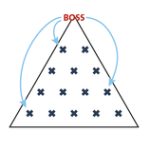
It is a little-known fact that ultimately it is the board that is in charge of your meeting, not the chair. According to the principles of parliamentary procedure and Robert’s Rules of Order, the chair runs the meeting while subject to the will of the body as a whole. This is very different from the…
High drama in the House of Commons as Member of Parliament expelled for the day.

You can make better decisions about complicated proposals by using the Exploratory Round Robin.
Guest post by Craig Freshley. We have been big fans of Craig’s wisdom for years and are honored to share this guest post with our readers. Visit Craig’s website for more superb tips on meetings and leadership.

At our nonprofit workshop last Saturday, someone asked, “How can you get board members to do what is agreed upon by the group at large?”

Interrupting is one of the most common conversational gambits in our American society. It is not allowed at meetings run according to Robert’s Rules of Order.
Many small casual groups spend too much time in discussion. Seeking consensus, time can be wasted and little progress made.